Technical Diagrams & Reference Images
Visual guides to help understand waterproofing concepts and techniques
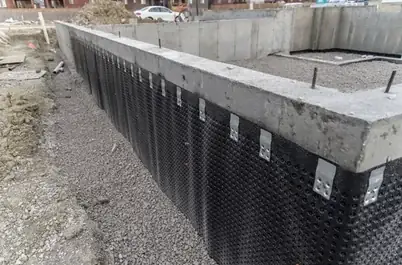
Modern concrete block foundation with proper drainage
.webp)
Monolithic poured concrete foundation
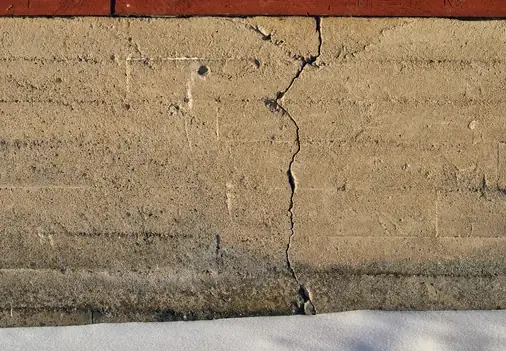
Heritage stone foundation requiring special treatment
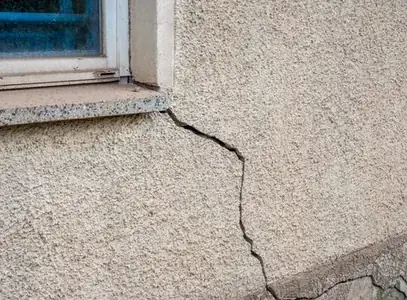
Traditional brick foundation construction
Need Professional Assessment?
Our experts can evaluate your specific situation
Schedule Free InspectionToronto Foundation Types: Complete Technical Comparison & Waterproofing Guide
Toronto's diverse housing stock spans over 150 years, featuring distinct foundation types from each era. Understanding your foundation type is critical for proper waterproofing, repair methods, and renovation planning.
(1960s-present)
(1940s-1980s)
(1850s-1920s)
(1900s-1950s)
(1990s-present)
Foundation Types by Era in Toronto
Historic Era (1850s-1920s)
- Rubble Stone: Field stone with lime mortar
- Cut Stone: Dressed limestone/sandstone
- Brick: Clay brick with lime pointing
- Typical Issues: Mortar deterioration, water penetration
Mid-Century (1920s-1960s)
- Concrete Block: 8" hollow masonry units
- Poured Concrete: Early reinforced concrete
- Brick Veneer: Brick over concrete block
- Typical Issues: Block core flooding, cold joints
Modern Era (1960s-Present)
- Poured Concrete: Steel reinforced, 8" minimum
- ICF Systems: Insulated concrete forms
- Precast Panels: Factory-made sections
- Typical Issues: Shrinkage cracks, form tie holes
Detailed Foundation Type Analysis
Rubble Stone Foundation (1850s-1920s)
Found in 15% of Toronto homes, primarily in older neighborhoods like Cabbagetown, The Annex, and Riverdale
Construction Details
- Materials: Field stone, limestone, sandstone with lime mortar
- Thickness: 18"-24" thick walls
- Footings: Stone footing, often inadequate by modern standards
- Height: Typically 6-7 feet interior height
- Interior Finish: Exposed stone or whitewash coating
Typical Neighborhoods
- • Cabbagetown (1850s-1890s homes)
- • The Beaches (Victorian cottages)
- • Riverdale (worker housing)
- • The Annex (1890s-1910s)
- • Old Toronto neighborhoods
Common Issues & Solutions
Mortar Deterioration
Lime mortar breaks down over 100+ years
Solution: Repointing with compatible lime mortar (NHL 2-3.5)
Water Penetration
Porous stone and failed mortar joints
Solution: Interior drain tile system + crystalline waterproofing
Foundation Settlement
Inadequate footings for Toronto clay soil
Solution: Underpinning to modern standards (below frost line)
Structural Integrity
Bulging walls, loose stones
Solution: Structural buttressing, tie rod installation
Waterproofing Strategy for Rubble Stone
Recommended Approach:
- Interior drain tile system installation
- Crystalline waterproofing application
- Controlled ventilation system
- Mortar repointing with breathable lime
Cost Range (2024):
- Repointing: $15-25/sq ft
- Interior waterproofing: $150-200/linear ft
- Underpinning: $350-450/linear ft
- Total system: $20,000-45,000
Brick Foundation (1900s-1950s)
Found in 8% of Toronto homes, typically 2-3 wythes (layers) of hard clay brick
Construction Details
- Materials: Hard-fired clay brick with Portland cement mortar
- Thickness: 8"-12" (2-3 wythes of brick)
- Footings: Concrete strip footings, often narrow
- Height: 7-8 feet interior height
- Typical Period: 1900-1950 (peak 1920s-1930s)
Common Locations
- • High Park area (1920s-1930s homes)
- • East York neighborhoods
- • Junction Triangle
- • Danforth Village
- • Mid-town Toronto
Common Issues & Solutions
Mortar Joint Failure
Portland cement mortar too hard for brick
Solution: Selective repointing with Type N mortar
Spalling Brick
Freeze-thaw damage to brick faces
Solution: Individual brick replacement with matching units
Water Infiltration
Through mortar joints and cracked brick
Solution: Interior membrane system + drainage
Efflorescence
White mineral deposits from water migration
Solution: Source control + breathable sealers
Waterproofing Strategy for Brick Foundation
Best Practices:
- Interior waterproofing system (exterior risks thermal shock)
- Breathable interior coatings
- Controlled moisture management
- Crack injection for active leaks
Cost Range (2024):
- Repointing: $12-18/sq ft
- Interior waterproofing: $120-180/linear ft
- Brick replacement: $25-35/sq ft
- Complete system: $15,000-35,000
Concrete Block Foundation (1940s-1980s)
Found in 30% of Toronto homes, standard 8" hollow masonry units (CMU)
Construction Details
- Materials: 8" concrete masonry units (CMU) with mortar joints
- Reinforcement: Steel rebar in cores (building code dependent)
- Footings: Poured concrete strip footings
- Height: 8 feet standard basement height
- Core Fill: May be hollow or partially grouted
Peak Construction Periods
- • Post-war boom (1945-1960)
- • Suburban expansion (1950s-1970s)
- • North York, Scarborough, Etobicoke
- • Don Mills area development
- • Replaced by poured concrete in 1980s
Common Issues & Solutions
Core Flooding
Water fills hollow block cores
Solution: Core grouting + drainage system
Mortar Joint Cracks
Settlement cracks at mortar beds
Solution: Crack injection + structural evaluation
Block Shrinkage
Vertical cracks through block units
Solution: Epoxy injection + membrane coating
Thermal Movement
Expansion/contraction cracks
Solution: Flexible sealants + control joints
Waterproofing Strategy for Concrete Block
Optimal Approach:
- Exterior excavation and membrane system
- Core grouting for structural integrity
- Drainage tile at footing level
- Parging restoration or replacement
Cost Range (2024):
- Exterior waterproofing: $180-250/linear ft
- Core grouting: $8-12/linear ft
- Crack injection: $300-500/crack
- Complete system: $18,000-35,000
Poured Concrete Foundation (1960s-Present)
Found in 45% of Toronto homes, steel-reinforced concrete walls
Construction Details
- Materials: Steel-reinforced concrete, minimum 8" thick
- Reinforcement: #4 rebar horizontal and vertical
- Footings: Integrated footing system
- Height: 8-9 feet standard (code requirement)
- Finish: Smooth formed finish or textured
Construction Evolution
- • 1960s-1970s: Basic reinforcement
- • 1980s-1990s: Improved concrete mixes
- • 2000s: Waterproofing integration
- • 2010s-Present: Advanced admixtures
- • Current standard in new construction
Common Issues & Solutions
Shrinkage Cracks
Vertical hairline cracks during curing
Solution: Low-pressure crack injection
Cold Joints
Horizontal lines from construction sequence
Solution: Injection + interior membrane
Form Tie Holes
Water entry through wall tie penetrations
Solution: Hydraulic cement + sealant
Settlement Cracks
Stepped or angled cracks
Solution: Structural assessment + stabilization
Waterproofing Strategy for Poured Concrete
Preferred Method:
- Exterior membrane waterproofing
- Crack injection for active leaks
- Perimeter drainage system
- Dampproofing coating
Cost Range (2024):
- Exterior waterproofing: $200-280/linear ft
- Crack injection: $400-600/crack
- Interior system: $150-220/linear ft
- Complete system: $20,000-40,000
ICF Foundation (1990s-Present)
Insulated Concrete Forms - premium foundation system found in 2% of Toronto homes
Construction Details
- Materials: EPS foam forms with steel-reinforced concrete core
- Insulation: R-20+ continuous insulation
- Thickness: 6"-12" concrete core
- Reinforcement: Heavy rebar grid
- Finish: Interior/exterior foam stays in place
Advantages
- • Superior thermal performance
- • Excellent structural strength
- • Reduced thermal bridging
- • Faster construction
- • Integrated waterproofing potential
Potential Issues & Solutions
Foam Deterioration
UV damage or mechanical damage to foam
Solution: Protective coating + repair patches
Penetration Points
Utility penetrations through foam
Solution: Careful sealing + vapor barriers
Installation Defects
Gaps between form sections
Solution: Spray foam + membrane
Moisture Management
Vapor transmission through foam
Solution: Interior vapor control system
Waterproofing Strategy for ICF
Optimal Approach:
- Exterior membrane over foam
- Integrated drainage system
- Vapor barrier systems
- Penetration sealing protocol
Cost Range (2024):
- Waterproofing: $250-350/linear ft
- Foam repair: $15-25/sq ft
- Penetration sealing: $200-400 each
- Complete system: $25,000-45,000
Foundation Type Selection Guide for Toronto
| Foundation Type | Lifespan | Thermal Performance | Water Resistance | Cost (New) | Best For |
|---|---|---|---|---|---|
| Rubble Stone | 100+ years | Poor (R-2) | Poor | N/A | Historic preservation |
| Brick | 75-100 years | Poor (R-3) | Fair | $$$ | Character homes |
| Concrete Block | 50-75 years | Fair (R-4) | Good | $$ | Budget construction |
| Poured Concrete | 100+ years | Fair (R-1) | Excellent | $$ | Standard construction |
| ICF | 100+ years | Excellent (R-20+) | Excellent | $$$$ | High-performance homes |
Toronto Building Code Requirements (2024)
Minimum Foundation Standards
- Footing Depth: 6 feet below grade (frost protection)
- Wall Thickness: Minimum 8" for concrete, 10" for masonry
- Reinforcement: #4 rebar minimum, 24" on center
- Height: Minimum 8 feet interior clearance
- Waterproofing: Required on exterior walls
- Drainage: Foundation drain tile required
- Ventilation: Required for basement spaces
Special Toronto Considerations
- Clay Soil: Special footings may be required
- High Water Table: Enhanced waterproofing needed
- Heritage Districts: Special approval for changes
- Lot Coverage: Foundation size restrictions
- Setbacks: Foundation must respect property lines
- Tree Protection: Root zone considerations
- Utility Conflicts: Service line coordination
Get Expert Foundation Assessment
Our licensed engineers assess foundation type, condition, and provide waterproofing recommendations specific to your Toronto home's construction era and neighborhood conditions.
25-year warranty • Licensed & insured • 3,000+ Toronto foundations repaired
Get Your Free Inspection
Schedule your comprehensive basement inspection today. Our certified experts will assess your needs and provide a detailed solution.
Quick Response
Same-day inspections available
No Obligation
Free inspection & quote
Expert Analysis
25+ years of experience
Direct Contact
Business Hours
24/7 Emergency Service Available