Foundation Problems Diagnosis: Complete Toronto Guide
Toronto's unique geological conditions - expansive clay soil, extreme temperature variations, and high water tables - create specific foundation challenges. Early diagnosis prevents minor issues from becoming major structural problems.
Emergency Foundation Warning Signs
Immediate Danger:
- • Walls bulging inward
- • Large horizontal cracks
- • Foundation settling >1"
- • Active water intrusion
Urgent Repair:
- • Doors/windows sticking
- • Stair-step cracks
- • Floor sagging/bouncing
- • Basement musty odors
Monitor Closely:
- • Small hairline cracks
- • Minor settlement
- • Seasonal moisture
- • Efflorescence deposits
Primary Causes of Foundation Problems in Toronto
Soil Movement
Toronto's clay soil expands up to 40% when wet, shrinks when dry. This cycle creates immense pressure on foundations.
Frost Heaving
Toronto temperatures can drop to -30°C, causing soil water to freeze and expand, lifting foundations.
Settlement Issues
Inadequate footings, poor compaction, or changing soil conditions cause foundations to sink unevenly.
Hydrostatic Pressure
Toronto's high water table and clay soil create water pressure against foundation walls, causing cracks and leaks.
Tree Root Damage
Toronto's mature trees (especially silver maples, willows) have aggressive root systems seeking water sources.
Construction Issues
Poor workmanship, inadequate reinforcement, or substandard materials lead to premature foundation failure.
Detailed Foundation Problem Diagnosis
Soil Movement (Clay Expansion/Contraction)
Most common foundation issue in Toronto - affects 70% of homes built on clay soil
Visible Symptoms
Exterior Signs:
- • Foundation walls bowing inward/outward
- • Stair-step cracks in brick/block
- • Horizontal cracks mid-wall
- • Separation at wall-footing joint
- • Driveway/walkway upheaval
Interior Signs:
- • Doors/windows sticking
- • Cracks around openings
- • Basement wall cracks
- • Uneven floors
- • Nail pops in drywall
Diagnostic Techniques
Soil Testing
- Plasticity Index: Measures clay expansion potential
- Moisture Content: Current vs. optimal levels
- Density Test: Compaction adequacy
- Chemical Analysis: Sulfate/chloride content
Foundation Monitoring
- Crack Gauges: Track movement over time
- Level Surveys: Measure settlement patterns
- Inclinometers: Detect wall tilting
- Moisture Meters: Soil saturation levels
Risk Assessment
High Risk Indicators:
- • Wall displacement >1/4 inch
- • Active crack growth
- • Multiple wall sections affected
- • Structural elements compromised
Medium Risk:
- • Hairline cracks <1/8 inch
- • Seasonal movement patterns
- • Minor door/window issues
- • Isolated problem areas
Toronto Clay Soil Characteristics
Geological Properties:
- Formation: Glacial Lake Iroquois deposits
- Composition: 40-60% clay content
- Plasticity Index: 15-35 (high expansion)
- Depth: 15-50 feet in most areas
- Drainage: Very poor permeability
Seasonal Behavior:
- Spring: Maximum expansion from snowmelt
- Summer: Gradual shrinkage, cracking
- Fall: Continued drying, maximum shrinkage
- Winter: Frost heaving near surface
- Cycle Impact: 2-4 inches of movement possible
Frost Heaving
Affects foundations with inadequate frost protection - common in pre-1960s homes
Identification Signs
Seasonal Patterns:
- • Problems worsen in winter
- • Improve in spring/summer
- • Doors stick in cold weather
- • Cracks open/close seasonally
Physical Evidence:
- • Foundation lifted above grade
- • Utility line damage from heaving
- • Cracked basement floors
- • Separated foundation sections
Diagnostic Methods
Frost Line Analysis
- Toronto Frost Line: 6 feet below grade
- Foundation Depth: Measure actual vs. required
- Soil Temperature: Monitor ground freezing
- Insulation Assessment: Thermal protection levels
Movement Tracking
- Elevation Surveys: Measure seasonal lift
- Crack Monitoring: Width changes over winter
- Door/Window Function: Seasonal operation tests
- Utility Connections: Service line integrity
Solution Strategies
Prevention:
- • Foundation insulation
- • Proper drainage to prevent saturation
- • Snow management around foundation
- • Heat trace for vulnerable areas
Repair:
- • Foundation underpinning
- • Frost-protected footings
- • Structural reinforcement
- • Thermal barriers
Foundation Settlement Issues
Uneven sinking causes structural damage - requires immediate professional assessment
Settlement Types & Causes
Immediate Settlement
Occurs during construction due to soil compression
- • Poor soil compaction
- • Inadequate bearing capacity
- • Construction loads exceeding design
- • Weak or organic soil layers
Consolidation Settlement
Gradual compression of clay soils over years
- • Toronto clay slow drainage
- • Long-term compression
- • Can continue for decades
- • Usually uniform if soil is consistent
Differential Settlement
Uneven sinking causes structural damage
- • Varying soil conditions
- • Different foundation depths
- • Excavation disturbance
- • Tree root desiccation
Diagnostic Procedures
Elevation Survey
- Laser Level: Precise measurement of foundation elevation
- Corner Monitoring: Track differential movement
- Floor Flatness: Document interior slope
- Datum Points: Establish reference for monitoring
Structural Assessment
- Load Path Analysis: How forces transfer through structure
- Beam Deflection: Measure sagging or distortion
- Connection Integrity: Check fastener and joint condition
- Material Condition: Assess structural element health
Geotechnical Investigation
- Soil Boring: Subsurface conditions
- Bearing Capacity: Soil strength testing
- Consolidation Testing: Predict future settlement
- Groundwater Level: Impact on soil stability
Settlement Tolerance Guidelines
Acceptable:
- • Total settlement: <1 inch
- • Differential: <1/2 inch
- • Angular distortion: <1/300
- • No structural damage visible
Concerning:
- • Total settlement: 1-2 inches
- • Differential: 1/2-1 inch
- • Angular distortion: 1/300-1/150
- • Cosmetic damage appearing
Critical:
- • Total settlement: >2 inches
- • Differential: >1 inch
- • Angular distortion: >1/150
- • Structural damage evident
Hydrostatic Pressure
Water pressure against foundation walls - major cause of basement flooding in Toronto
Pressure Sources & Impacts
High Water Table
Toronto areas near Lake Ontario, rivers, and ravines
- • Seasonal water table fluctuation
- • Continuous upward pressure
- • Soil saturation effects
- • Basement floor heaving
Surface Water Accumulation
Poor drainage allows water to collect against foundation
- • Inadequate grading
- • Clogged drainage systems
- • Roof water concentration
- • Landscaping barriers
Clay Soil Water Retention
Toronto clay holds water, creating prolonged pressure
- • Very low permeability
- • Slow drainage after rain
- • Saturated soil expansion
- • Freeze-thaw pressure cycles
Diagnostic Tools & Methods
Water Level Monitoring
- Observation Wells: Track groundwater elevation
- Seasonal Patterns: High/low water periods
- Weather Correlation: Rainfall impact assessment
- Lake Ontario Levels: Regional water table influence
Pressure Measurement
- Piezometers: Direct pressure measurement
- Load Cells: Foundation wall stress
- Crack Monitors: Movement from pressure cycles
- Moisture Meters: Wall saturation levels
Drainage Assessment
- Percolation Tests: Soil drainage rate
- Camera Inspection: Drain tile condition
- Flow Testing: System capacity
- Grade Survey: Surface water flow patterns
Toronto High-Risk Areas for Hydrostatic Pressure
Geographic Risk Zones:
- Lakeshore Areas: High water table, 2-4 feet below grade
- Ravine Properties: Springs, seepage, seasonal flooding
- Former Creeks: Buried waterways still flow underground
- Low-lying Areas: Water collection zones
- Fill Areas: Inconsistent drainage, settlement issues
Specific Neighborhoods:
- • The Beaches, Woodbine area
- • Port lands, Distillery District
- • Etobicoke Creek valley
- • Don Valley, Taylor Creek areas
- • Humber River corridor
- • Any property near water features
Tree Root Foundation Damage
Toronto's mature urban forest creates unique foundation challenges
High-Risk Tree Species in Toronto
Extremely Aggressive Roots:
- Silver Maple: 2x tree height root spread, water-seeking
- Weeping Willow: 3x tree height, extremely aggressive
- Poplar Species: Fast growth, extensive shallow roots
- American Elm: Large surface roots, foundation lifting
Moderate Risk:
- Norway Maple: Dense root mat, moisture competition
- Oak Species: Deep tap roots, less lateral spread
- Ash Trees: Moderate spread, drought-sensitive
- Linden: Predictable growth pattern
Damage Mechanisms
Physical Displacement
Roots grow under foundation, lifting and cracking
Soil Desiccation
Root water uptake causes clay shrinkage
Utility Line Penetration
Roots enter water/sewer lines, causing blockages
Assessment & Management
Risk Assessment Factors
- Distance Formula: Tree height = minimum safe distance
- Species Factor: Multiply by 1.5-3x for aggressive species
- Soil Type: Clay soil increases risk due to shrink-swell
- Tree Age: Mature trees (>20 years) highest risk
- Irrigation: Well-watered trees less likely to seek foundation moisture
Investigation Methods
- Air Spade: Non-destructive root location
- Ground Penetrating Radar: Map root systems
- Soil Auger: Check for root presence near foundation
- Crack Pattern Analysis: Root damage has distinctive patterns
Management Strategies
- Root Barriers: Install 3-4 feet deep barriers
- Selective Pruning: Remove problematic roots
- Tree Removal: Last resort for severe damage
- Irrigation Systems: Redirect water-seeking behavior
Professional Foundation Diagnostic Tools
Laser Level Survey
Precision measurement of foundation settlement and movement patterns.
Crack Monitoring Gauges
Track crack movement over time to determine if damage is active or stable.
Ground Penetrating Radar
Non-destructive subsurface investigation for utilities, voids, and root systems.
Thermal Imaging
Detect moisture intrusion, insulation gaps, and thermal bridges in foundation walls.
Soil Penetrometer
Test soil bearing capacity and compaction levels around foundation.
Video Inspection
Camera inspection of drain tiles, utility penetrations, and foundation condition.
When to Call Foundation Professionals
Emergency Situations
Call immediately - do not wait:
- Foundation walls bulging inward - structural failure risk
- Large horizontal cracks - immediate danger of wall failure
- Foundation settling >1 inch - major structural issue
- Active water intrusion - flooding basement
- Doors/windows won't open - severe structural movement
Schedule Assessment
Professional evaluation recommended:
- New cracks appearing - determine if active or stable
- Basement moisture issues - identify source and solution
- Before major renovations - ensure structural integrity
- Buying/selling home - thorough foundation evaluation
- Annual inspection - preventive maintenance program
Technical Diagrams & Reference Images
Visual guides to help understand waterproofing concepts and techniques
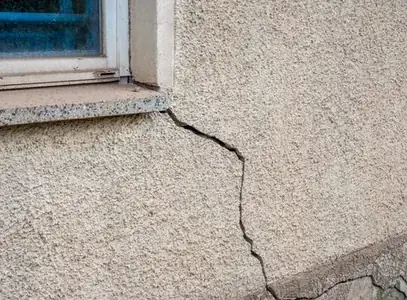
Freeze-thaw cycle damage
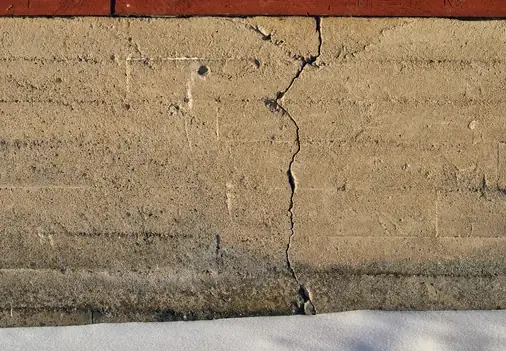
Major structural crack requiring immediate repair
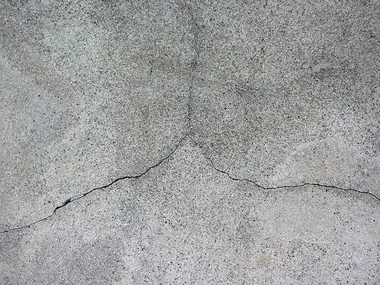
Common vertical settlement crack
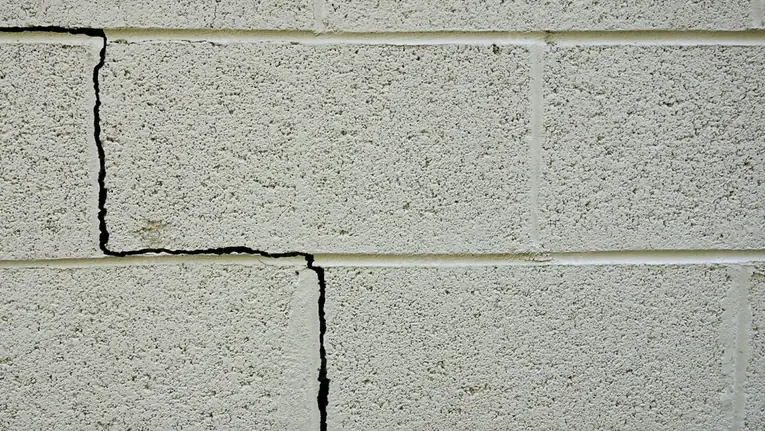
Serious horizontal crack from hydrostatic pressure
Need Professional Assessment?
Our experts can evaluate your specific situation
Schedule Free InspectionGet Professional Foundation Diagnosis
Our P.Eng licensed structural engineers use advanced diagnostic equipment to identify foundation problems early, saving you thousands in repair costs. Over 25 years diagnosing Toronto foundation issues.
Comprehensive written report • 25-year warranty • Licensed & insured
Get Your Free Inspection
Schedule your comprehensive basement inspection today. Our certified experts will assess your needs and provide a detailed solution.
Quick Response
Same-day inspections available
No Obligation
Free inspection & quote
Expert Analysis
25+ years of experience
Direct Contact
Business Hours
24/7 Emergency Service Available