Foundation Crack Analysis & Diagnosis: Toronto Professional Guide
Not all foundation cracks are created equal. Toronto's challenging climate—freeze-thaw cycles, clay soil movement, and temperature extremes—creates specific crack patterns that require expert interpretation for proper treatment.
Quick Crack Assessment Matrix
MONITOR
- • Hairline vertical cracks
- • Width < 1/8 inch
- • No water intrusion
- • Stable for 1+ year
REPAIR SOON
- • Cracks 1/8" - 1/4"
- • Minor water seepage
- • Growing slowly
- • Multiple similar cracks
URGENT REPAIR
- • Cracks > 1/4 inch
- • Active water intrusion
- • Growing rapidly
- • Horizontal cracks
EMERGENCY
- • Wall displacement
- • Stepped cracks
- • Multiple crack types
- • Structural movement
Foundation Crack Types & Characteristics
Shrinkage Cracks
Natural concrete curing process creates small vertical cracks within first 2 years.
- • Hairline to 1/8" width
- • Vertical orientation
- • Random distribution
- • Usually non-structural
- • Stable after initial period
Cold Joints
Horizontal lines where concrete pours joined during construction.
- • Perfectly horizontal
- • Visible line across wall
- • May have slight step
- • Potential water entry
- • Construction artifact
Settlement Cracks
Foundation sinking unevenly creates diagonal or stepped crack patterns.
- • Diagonal orientation
- • Stepped pattern in blocks
- • Wider at one end
- • May continue growing
- • Often near corners
Horizontal Cracks
Lateral pressure from soil or frost creates horizontal foundation cracks.
- • Horizontal orientation
- • Mid-wall location common
- • May accompany wall bowing
- • Progressive widening
- • Structural concern
Stair-Step Cracks
Block or brick foundations develop stepped crack patterns following mortar joints.
- • Follows mortar joints
- • Stepped appearance
- • Usually diagonal overall
- • Common in block walls
- • Settlement indicator
Displacement Cracks
Wall sections move apart creating cracks with offset surfaces.
- • Visible wall offset
- • One side higher than other
- • Often wide cracks
- • Major structural issue
- • Requires immediate attention
Detailed Foundation Crack Analysis
Shrinkage Cracks: Normal vs. Problematic
Most common crack type - understanding when they require attention
Formation Process & Timing
Concrete shrinks as it cures, losing moisture and undergoing chemical changes. This creates internal stresses that manifest as surface cracks, typically appearing within the first 2 years after construction.
Shrinkage Timeline:
0-28 Days: Initial Curing
Most dramatic shrinkage occurs, hairline cracks may appear
1-12 Months: Drying Phase
Continued moisture loss, existing cracks may widen slightly
1-2 Years: Stabilization
Shrinkage essentially complete, cracks should stabilize
After 2 Years
New cracks or growth indicates other causes
Contributing Factors in Toronto
Climate Factors:
- • Extreme temperature swings (-30°C to +35°C)
- • Low winter humidity accelerates drying
- • Freeze-thaw cycles stress concrete
- • Spring thermal expansion/contraction
Concrete Mix Factors:
- • High water-cement ratio increases shrinkage
- • Aggregate type and gradation
- • Cement content and type
- • Admixtures used for workability
Construction Factors:
- • Curing conditions and duration
- • Form removal timing
- • Wall thickness and reinforcement
- • Backfilling timing and material
Normal vs. Concerning Shrinkage Cracks
| Characteristic | Normal Shrinkage | Concerning Pattern |
|---|---|---|
| Width | < 1/8 inch (3mm) | > 1/8 inch or growing |
| Length | < 50% of wall height | Full height or continuing |
| Orientation | Vertical | Diagonal, horizontal |
| Spacing | Random, infrequent | Clustered, numerous |
| Water Infiltration | None | Active seepage |
| Age Progression | Stable after 2 years | Growing after 2 years |
Settlement Cracks: Differential Movement Analysis
Indicates uneven foundation movement - requires structural assessment
Settlement Mechanisms in Toronto
Clay Soil Settlement
Toronto's expansive clay undergoes volume changes with moisture
- • Consolidation under load (slow, ongoing)
- • Desiccation shrinkage (drought periods)
- • Differential heaving (wet/dry zones)
- • Construction disturbance effects
Bearing Capacity Failure
Foundation loads exceed soil strength
- • Inadequate footing size/depth
- • Poor soil conditions not anticipated
- • Increased loads (additions, snow)
- • Groundwater effects on soil strength
Construction-Related Settlement
Poor construction practices create weak zones
- • Inadequate backfill compaction
- • Excavation below footing level
- • Disturbed bearing surface
- • Utility trenches under footings
Crack Pattern Analysis
Diagonal Cracks (45° Pattern)
Indicates: Corner settlement, one side sinking faster
Location: Often near building corners or openings
Progression: Wider at bottom, narrower at top
Severity: High - structural movement occurring
Stair-Step Cracks (Masonry)
Indicates: Settlement following weak mortar joints
Location: Block or brick foundation walls
Progression: Follows path of least resistance
Severity: Moderate to high depending on displacement
Vertical Settlement Cracks
Indicates: Uniform settlement over wide area
Location: Mid-span of long walls
Progression: Relatively uniform width
Severity: Moderate - usually non-structural
J-Shaped Cracks
Indicates: Combined vertical and horizontal movement
Location: Corner areas with complex loading
Progression: Starts vertical, curves horizontal
Severity: High - multiple failure modes active
Settlement Crack Warning Signs:
- • Doors and windows sticking or not closing properly
- • Cracks in interior walls, especially at corners
- • Floor sloping or bouncing
- • Exterior walls pulling away from main structure
- • Gaps appearing around trim and fixtures
Horizontal Cracks: Structural Failure Indicators
Most serious crack type - indicates excessive lateral pressure on foundation walls
Causes of Lateral Pressure
Hydrostatic Pressure
- • Saturated clay soil creates water pressure
- • Failed drainage systems allow water buildup
- • High water table seasonal fluctuations
- • Pressure increases with depth
- Toronto Factor: Clay soil holds water like a bathtub
Frost Pressure
- • Water in soil freezes and expands 9%
- • Creates enormous lateral forces
- • Most severe at frost line depth (6 feet in Toronto)
- • Cycles annually, causing fatigue
- Toronto Factor: -30°C temperatures common
Clay Expansion Pressure
- • Clay swells up to 40% when wet
- • Confined expansion creates pressure
- • Most severe in spring after snowmelt
- • Can exceed design loads of foundation
- Toronto Factor: Glacial lake clay is highly expansive
Surcharge Loading
- • Heavy loads placed near foundation
- • Construction equipment or materials
- • Excavation of adjacent properties
- • Improperly designed retaining systems
- Toronto Factor: Dense urban construction
Horizontal Crack Assessment
Critical Assessment Factors:
Location on Wall
- • Upper third: Frost pressure likely
- • Middle third: Hydrostatic pressure
- • Lower third: Clay expansion pressure
Wall Displacement
- • None: Early stage crack
- • < 1/2": Monitor closely
- • > 1/2": Structural failure beginning
- • > 2": Emergency repair needed
Seasonal Pattern
- • Spring worsening: Clay expansion
- • Winter worsening: Frost action
- • Rain worsening: Hydrostatic pressure
- • Continuous: Multiple causes
Measurement Protocol:
- • Measure crack width at multiple points
- • Check for wall bowing with level/string line
- • Document with photos and measurements
- • Install crack monitors for ongoing tracking
- • Measure at same points monthly
- • Note weather conditions during measurements
Professional Assessment Required:
- • Any horizontal crack > 1/4 inch
- • Visible wall bowing or displacement
- • Multiple horizontal cracks
- • Combination with other crack types
- • Active growth over 2-3 months
- • Water intrusion through horizontal cracks
Crack Location Significance
Wall Position Analysis
Corner Locations
Corners are stress concentration points where two walls meet, creating complex loading conditions and often the first location for settlement cracks to appear.
Common Corner Crack Patterns:
- • Vertical cracks at corner joint: Normal settling
- • Diagonal cracks from corner: Differential settlement
- • Step cracks in masonry: Foundation movement
- • Horizontal cracks near corner: Lateral pressure concentration
Mid-Wall Locations
Cracks in the center of long walls often indicate uniform settlement, thermal movement, or construction-related issues.
Mid-Wall Crack Analysis:
- • Single vertical crack: Shrinkage or thermal movement
- • Horizontal crack mid-height: Lateral pressure at maximum
- • Multiple parallel cracks: Excessive shrinkage or movement
- • Cold joint activation: Construction joint failure
Near Openings
Windows, doors, and utility penetrations create stress concentrations that can initiate crack formation under foundation movement.
Opening-Related Cracks:
- • Diagonal from corners: Settlement or thermal stress
- • Above/below openings: Load redistribution
- • Around penetrations: Poor sealing or movement
- • Step cracks to opening: Foundation shifting
Height Position Analysis
Upper Wall (Above Grade)
Cracks in the upper portion of foundation walls are typically related to frost action, thermal movement, or structural loading issues.
Upper Wall Indicators:
- • Frost-related: Seasonal movement, winter worsening
- • Thermal: Hot summer days, cold winter nights
- • Structural: Beam bearing, load concentration
- • Construction: Form tie holes, cold joints
Mid-Wall (At Grade)
The transition zone between above and below grade experiences the most severe environmental stresses and pressure differentials.
Grade-Level Stresses:
- • Freeze-thaw: Maximum ice formation zone
- • Moisture cycling: Wet/dry transitions
- • Pressure transition: From atmospheric to soil pressure
- • Construction weakness: Form board elevation changes
Lower Wall (Below Grade)
Below-grade cracks typically indicate hydrostatic pressure, clay expansion, or foundation settlement issues.
Below-Grade Factors:
- • Hydrostatic pressure: Water table effects
- • Clay expansion: Seasonal soil volume changes
- • Settlement: Foundation sinking or shifting
- • Construction: Poor backfill, excavation damage
Basement Floor Level
Cracks at or below floor level often indicate the most serious structural issues requiring immediate professional assessment.
Floor-Level Concerns:
- • Foundation sliding: Lateral movement on footing
- • Bearing failure: Foundation sinking into soil
- • Undermining: Soil erosion under foundation
- • Hydrostatic uplift: Floor heaving from water pressure
Professional Crack Monitoring Techniques
Crack Monitoring Gauges
Precise measurement devices that track crack movement over time.
Types:
- • Glass tell-tales (visual indication)
- • Metal strain gauges (precise measurement)
- • Digital displacement sensors
- • Vibrating wire crack meters
Applications:
- • Track crack width changes
- • Monitor seasonal movement
- • Detect accelerating growth
- • Provide repair timing data
Photographic Documentation
Systematic photo documentation creates permanent records of crack development.
Documentation Protocol:
- • Monthly photos from same position
- • Include measuring device in image
- • Date and condition notation
- • Multiple angles and distances
Benefits:
- • Visual progression records
- • Insurance documentation
- • Professional assessment aid
- • Legal evidence if needed
Digital Monitoring Systems
Advanced systems provide real-time crack monitoring with alerts.
System Components:
- • Wireless displacement sensors
- • Data logging and transmission
- • Cloud-based monitoring platform
- • Mobile app alerts and reports
Advantages:
- • Continuous monitoring
- • Instant alerts for rapid changes
- • Weather correlation data
- • Professional report generation
Crack Monitoring Decision Matrix
| Crack Characteristics | Monitoring Method | Frequency | Alert Threshold | Action Required |
|---|---|---|---|---|
| Hairline vertical cracks < 1/8", stable for 1+ year | Visual inspection | Annually | Width increase | Monitor only |
| Growing vertical cracks 1/8" - 1/4", recent growth | Tell-tale gauges | Monthly | 0.5mm/month | Plan repair |
| Horizontal cracks Any size, any location | Precision gauges | Weekly | Any movement | Urgent assessment |
| Settlement cracks Diagonal, stepped pattern | Digital monitoring | Daily | 1mm/week | Emergency repair |
| Multiple crack types Complex patterns | Professional monitoring | Continuous | Immediate alerts | Structural engineer |
Professional Foundation Crack Analysis
Don't guess about foundation crack severity. Our P.Eng licensed structural engineers provide comprehensive crack analysis using advanced diagnostic equipment. Over 25 years diagnosing and repairing Toronto foundation cracks.
Comprehensive Crack Analysis Includes:
Assessment Services:
- • Structural significance evaluation
- • Cause identification and diagnosis
- • Growth potential assessment
- • Monitoring system recommendations
- • Repair method specifications
Deliverables:
- • Written engineering report
- • Photographic documentation
- • Repair cost estimates
- • Priority recommendations
- • Warranty information
Licensed & insured • Same-day emergency response • Written guarantee
Get Your Free Inspection
Schedule your comprehensive basement inspection today. Our certified experts will assess your needs and provide a detailed solution.
Quick Response
Same-day inspections available
No Obligation
Free inspection & quote
Expert Analysis
25+ years of experience
Direct Contact
Business Hours
24/7 Emergency Service Available
Technical Diagrams & Reference Images
Visual guides to help understand waterproofing concepts and techniques
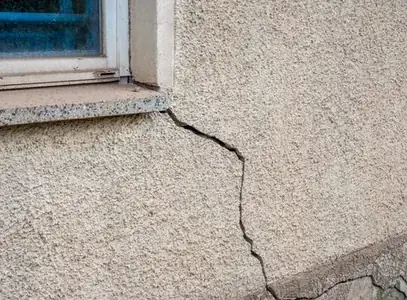
Freeze-thaw cycle damage
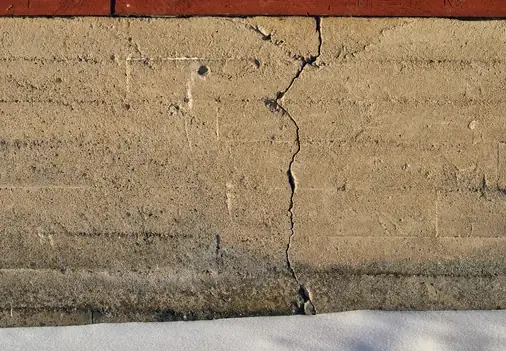
Major structural crack requiring immediate repair
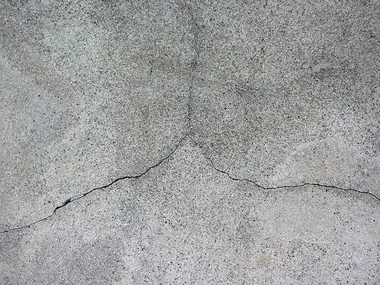
Common vertical settlement crack
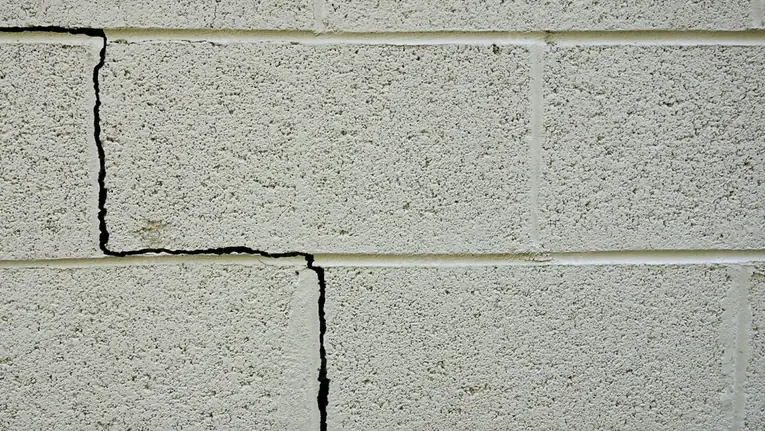
Serious horizontal crack from hydrostatic pressure
Need Professional Assessment?
Our experts can evaluate your specific situation
Schedule Free Inspection