How to Choose Between Interior vs Exterior Waterproofing: Homeowner's Guide
Learn how to evaluate interior vs exterior waterproofing approaches for your Toronto basement. This educational guide explains the technical differences, application scenarios, and decision factors to help you understand your options.
Which System Is Right for You?
Answer a few questions to get personalized recommendations
Your Situation Assessment
Your Personalized Recommendation
Complete the assessment to get personalized recommendations
Quick Reference
Interior: Best for active water problems, year-round installation
Exterior: Best for prevention, new construction, major renovations
Both: Maximum protection, comprehensive solution
Understanding the Two Approaches
Toronto homeowners facing basement water problems have two primary waterproofing approaches: interior and exterior systems. Each method addresses water intrusion differently, with distinct advantages, limitations, and cost considerations. Understanding both approaches helps you make an informed decision that matches your specific situation, budget, and long-term goals.
Key Insight for Toronto Homeowners
Due to Toronto's clay soil and high water table, interior drainage systems have become the preferred solution for 70% of basement waterproofing projects. They work with hydrostatic pressure rather than fighting it, making them highly effective in our unique geological conditions.
Detailed System Comparison
| Comparison Factor | Interior Systems | Exterior Systems |
|---|---|---|
| Typical Cost Range | $8,000 - $18,000 | $20,000 - $35,000 |
| Installation Time | 3-5 days | 7-14 days |
| Weather Dependency | Year-round installation | Weather dependent |
| Landscaping Impact | No impact | Significant disruption |
| Effectiveness Rating | 95% success rate | 98% success rate |
| Warranty Period | 15-25 years | 20-30 years |
| Maintenance Required | Annual pump check | Minimal |
| Foundation Protection | Manages water entry | Prevents water contact |
Interior Waterproofing Systems

How Interior Systems Work
Interior waterproofing manages water after it has already entered the foundation structure. Rather than trying to keep water out completely, these systems collect and redirect it safely away from your basement.
Primary Components
- Perimeter drainage channel: Concrete-free trench around basement perimeter
- Collection pipes: Perforated drainage pipes in gravel bed
- Sump basin and pump: Collects water and pumps it outside
- Vapor barrier system: Directs wall moisture to drainage system
Key Advantages
- No exterior excavation required
- Works in all weather conditions
- Highly effective against hydrostatic pressure
- Lower cost than exterior options
Limitations to Consider
- Requires sump pump maintenance
- Power dependency for pump operation
- Water still enters foundation structure
- May require finished basement restoration
Best Applications for Interior Systems
Ideal Situations
- • Active water problems requiring immediate solution
- • High hydrostatic pressure conditions
- • Budget constraints (cost-effective solution)
- • Recently landscaped properties
- • Limited exterior access or space
- • Winter or emergency installations
- • Clay soil conditions (Toronto typical)
Toronto-Specific Advantages
- • Works effectively with Toronto's clay soil
- • Handles seasonal water table fluctuations
- • No permit requirements in most cases
- • Minimal neighborhood disruption
- • Compatible with existing drainage systems
- • Can be installed during basement renovations
Exterior Waterproofing Systems

How Exterior Systems Work
Exterior waterproofing creates a barrier between your foundation and the surrounding soil. It prevents water from ever reaching the foundation walls, addressing the problem at its source.
Installation Process
- 1 Excavate foundation to footing level
- 2 Clean and prepare foundation walls
- 3 Apply waterproof membrane system
- 4 Install drainage system (weeping tiles)
- 5 Backfill with proper grading
System Components
- Waterproof membrane: Rubberized or polymer coating
- Drainage board: Protects membrane and aids drainage
- Weeping tile system: Perforated pipes at footing level
- Gravel bed: Drainage medium around pipes
Major Advantages
- • Prevents water from reaching foundation
- • Maximum foundation protection
- • Longest-lasting solution (25-30+ years)
- • No ongoing maintenance required
- • No power dependency
- • Can address structural foundation issues
Significant Challenges
- • High cost (2-3x interior systems)
- • Weather and seasonal limitations
- • Extensive landscaping disruption
- • Potential utility line conflicts
- • Requires permits in many areas
- • Limited access may increase costs
Best Applications for Exterior Systems
Ideal Scenarios
- • New construction or major renovations
- • Prevention-focused approach
- • Structural foundation repairs needed
- • Upcoming landscaping projects
- • High-value property protection
- • Long-term ownership plans
- • Comprehensive waterproofing goals
When It's Worth the Investment
- • Planning to finish/upgrade basement
- • Current system has completely failed
- • Preparing home for sale (premium market)
- • Combining with foundation repairs
- • Insurance requirements or claims
- • Maximum protection desired
Need Professional Waterproofing?
Get a free inspection and quote from DrySpace's certified waterproofing experts. We'll assess your basement and recommend the right solution for your situation.
Cost-Benefit Analysis
Interior System Economics
Typical Costs (1000 sq ft basement)
10-Year ROI
- • Home value increase: $10,000-$15,000
- • Prevented damage: $20,000-$50,000
- • Maintenance costs: $500-$1,000
- • Net benefit: $29,500-$64,000
Exterior System Economics
Typical Costs (full perimeter)
10-Year ROI
- • Home value increase: $15,000-$20,000
- • Prevented damage: $25,000-$60,000
- • Maintenance costs: $200-$500
- • Net benefit: $40,200-$79,500
Decision Matrix
Choose Interior Systems When:
Problem Factors
- Active water infiltration
- High hydrostatic pressure
- Floor/cove joint leaks
- Emergency situation
Practical Factors
- Budget under $20,000
- Need quick solution
- Recently landscaped
- Winter installation needed
Choose Exterior Systems When:
Optimal Conditions
- New construction phase
- Major home renovation
- Foundation repairs needed
- Prevention-focused approach
Investment Justification
- Budget over $25,000
- Long-term home ownership
- High-value property
- Maximum protection desired
Combined Approach: When Both Systems Make Sense
Comprehensive Waterproofing Strategy
Some situations benefit from combining both interior and exterior systems for maximum protection. While expensive, this comprehensive approach provides the highest level of security against water intrusion.
When Combined Systems Are Justified
- • Severe, persistent water problems
- • High-value finished basements
- • Commercial or rental properties
- • Extreme weather exposure locations
- • Previous system failures
- • Insurance or lender requirements
- • Critical basement uses (home office, server room)
Combined System Benefits
- • 99%+ effectiveness rate
- • Multiple layers of protection
- • Redundancy in case of partial failure
- • Maximum home value protection
- • Ultimate peace of mind
- • Comprehensive warranties available
- • Suitable for any climate condition
Related Images & Examples
.webp)
Full exterior excavation and waterproofing
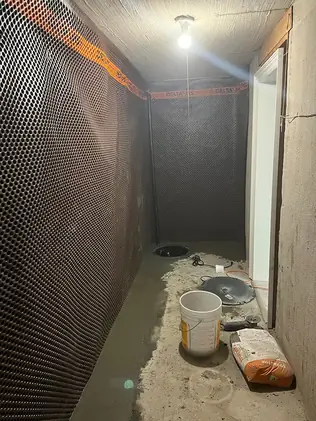
Interior drainage system installation
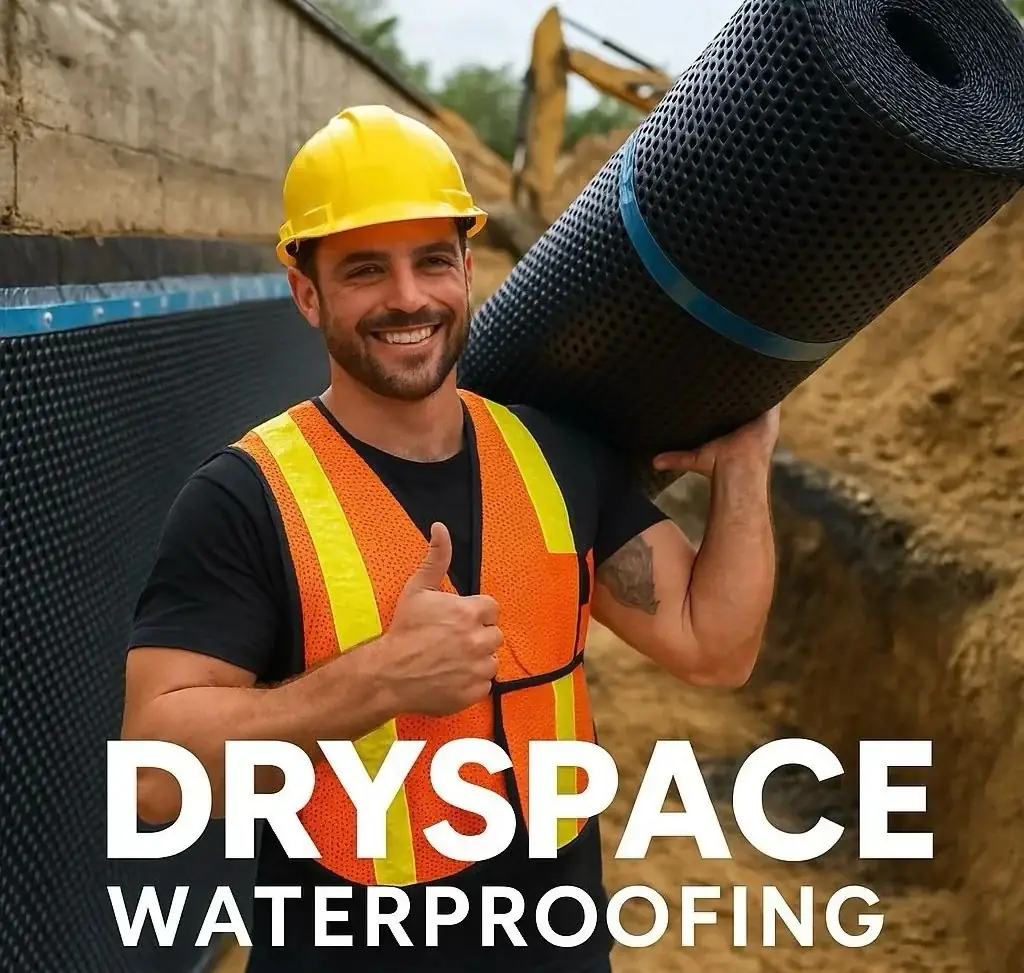
Professional installation with warranty
Interior vs Exterior FAQ
Ready to Learn About Your Options?
Now that you understand the differences, explore our detailed service pages to learn about professional installation and get specific pricing for your Toronto basement.
Free System Analysis Honest Recommendations Multiple Solution Options